
 Checked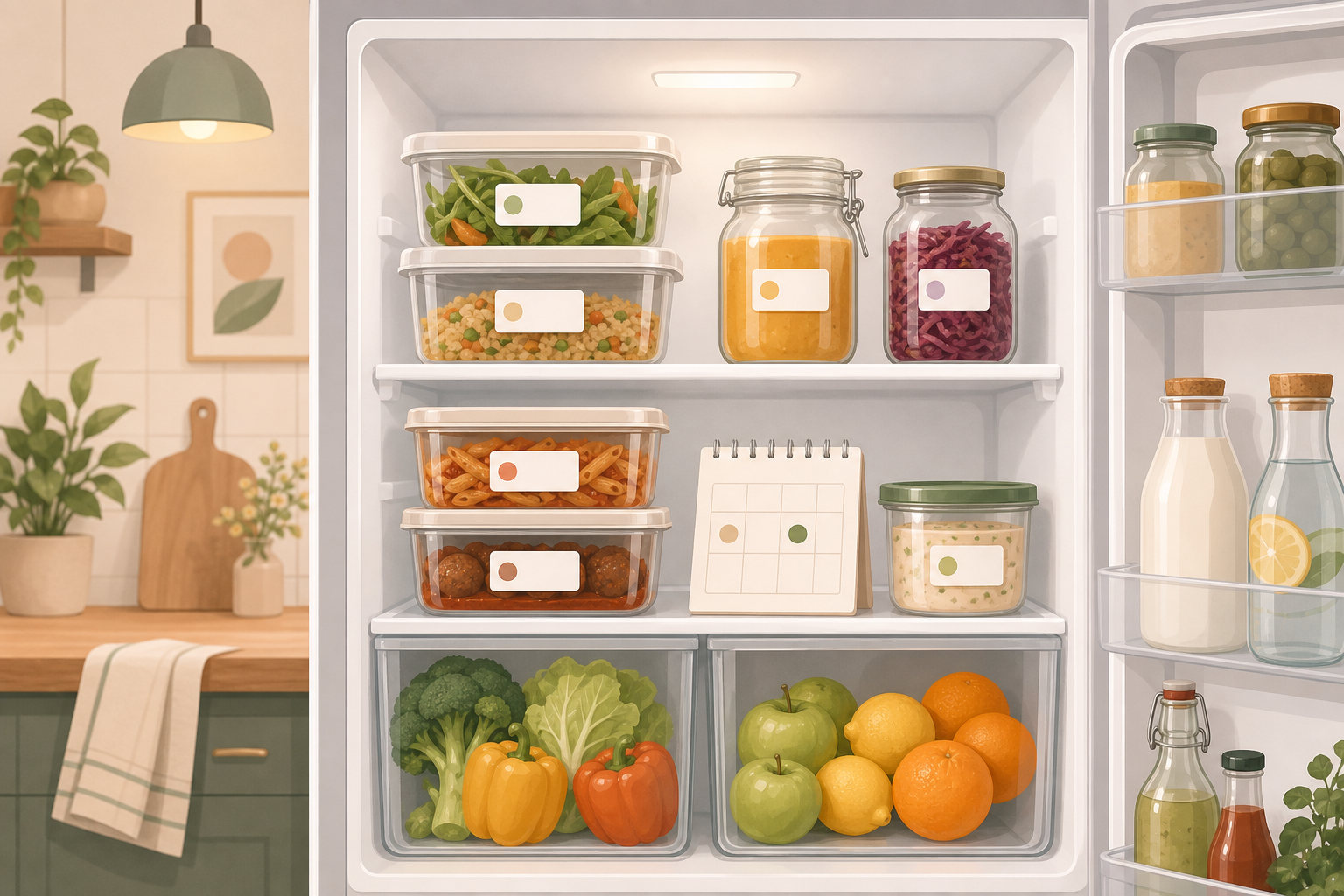
Ingredients
No recipe ingredients today: cooked leftovers, clean containers, a fridge, a date label, and enough discipline not to gamble with old food.
How the two-day rule works
Put cooked leftovers in the fridge soon after they stop steaming hot. Use shallow, clean containers so the food cools faster. Add the date, or place the container where you will actually see it.
Eat the leftovers the next day or the day after. On the third day, throw them out if you are not fully sure how long they sat on the table, how cold your fridge is, or whether they have already been reheated.
Be stricter with these foods
Rice, fish, seafood, minced meat, chicken, creamy sauces, and big pots of stew deserve less patience. Rice is especially annoying: if it sat warm for too long, certain bacteria can produce toxins that reheating may not reliably fix.
If something smells odd, looks slimy, fizzes, tastes strange, or simply makes you hesitate, do not negotiate with it. Bin it.
Why it helps
Many official food safety recommendations allow cooked food for around three to four days in the fridge. That assumes the food was handled cleanly, cooled quickly, stored cold enough, and not left out or reheated repeatedly.
Grandma's Rule is more conservative: eat leftovers for two days, discard them on day three. It is not a full food safety manual, but it is easy to remember and it reduces the messy uncertainty of normal home kitchens.
The practical line
If you have to think twice about a container, the food is probably not worth the bet. A small portion of leftovers is cheap. A bad night with your stomach is not.
Sources
Selected references used to verify or support this tip.
- FoodSafety.gov: 4 steps to food safety FoodSafety.gov · government
- USDA FSIS: Leftovers and Food Safety USDA FSIS · government